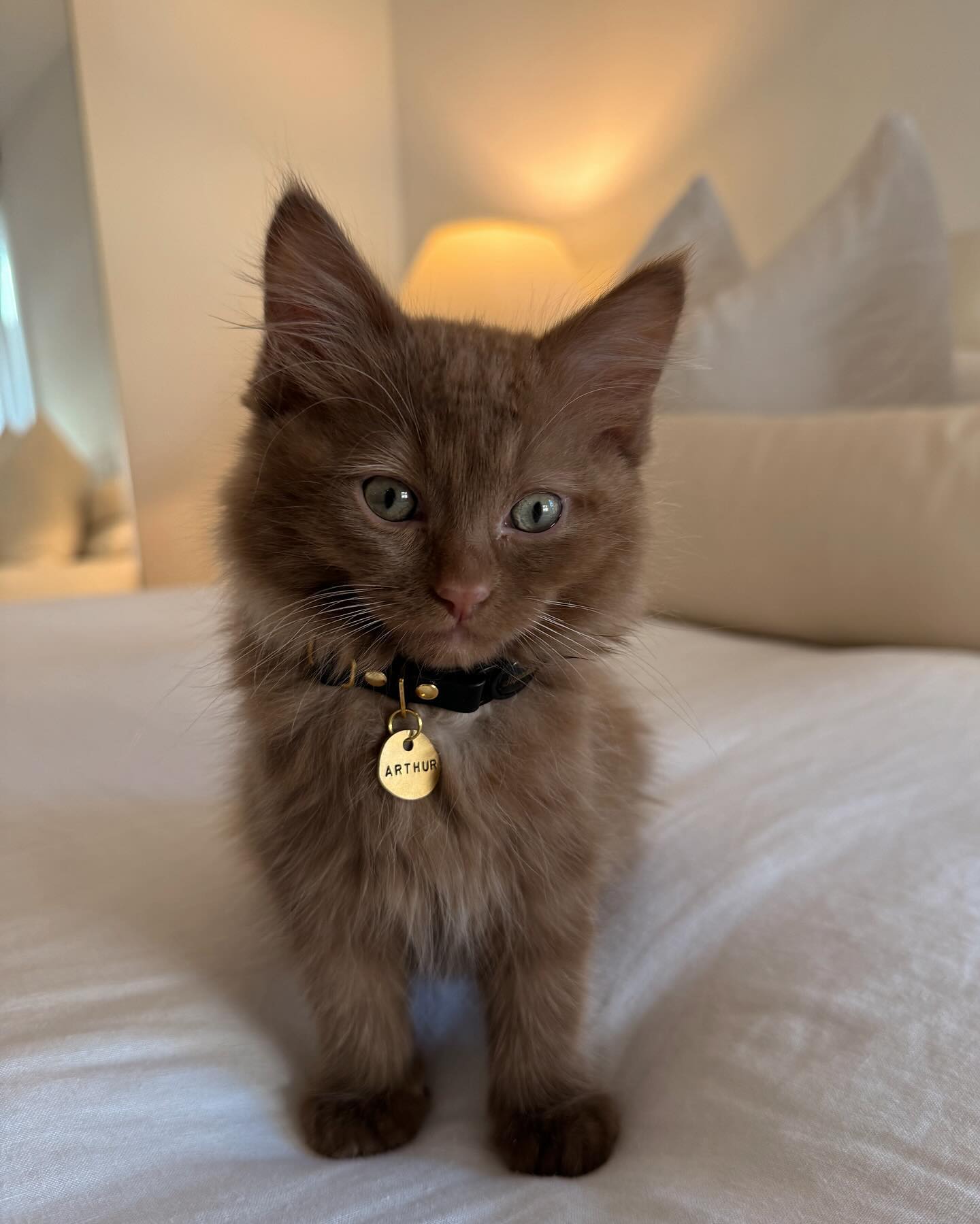
Bringing Your New Kitten Home
Everything you need to know to give your new Persian, Maine Coon, Ragdoll, or Bengal kitten the best possible start in their forever home — from coat grooming to breed-specific enrichment.
The First 72 Hours
The first few days set the tone for your kitten's adjustment. Take it slow and let them settle in at their own pace.
Keep Things Calm
Every breed benefits from a quiet arrival. Persian, Ragdoll, and Maine Coon kittens are especially gentle and can be easily overwhelmed. Even bold Bengals need calm transition time to explore safely.
Explore at Their Pace
Confine your kitten to one quiet room at first. Let them sniff every corner and warm up to you before expanding their territory.
Show the Litter Box First
Place your kitten in the litter box as soon as you arrive home. All four of our breeds are naturally tidy and litter-trained before leaving us — showing them the location is usually all they need.
Create a Safe Retreat
Provide a cozy bed or covered cat tree where your kitten can retreat and feel secure. A warm, quiet corner goes a long way toward building confidence.
Limit Visitors
Hold off on introducing friends and extended family for the first few days. There will be plenty of time for socializing once your kitten is settled and confident.
Feeding Schedule
Proper nutrition is essential for every growing kitten, regardless of breed. Follow this age-based feeding guide.
Important: Persians and Persians have flat (brachycephalic) faces, which means they can struggle to pick up food from deep bowls — use shallow, wide dishes for them. Maine Coons are large-framed cats that benefit from kitten food formulated for large breeds. Ragdolls and Bengals do well on standard high-quality kitten formulas. A mix of wet and dry food helps with hydration and dental health for all breeds. Consult your vet for exact portion sizes as your kitten grows.
Litter Box Basics
Choose a large, low-entry litter box. Persian kittens have short legs and a round body, so easy entry matters. Maine Coons grow into big cats and need an extra-large box from an early age. Ragdolls and Bengals adapt readily to any spacious box.
Use an unscented, low-dust clumping litter. Heavily perfumed litters can irritate sensitive flat-faced airways in Persians and Exotics. Scoop at least once a day and do a full change weekly — a clean box is the number-one way to prevent litter-box avoidance across all breeds.
Keep one litter box per cat, plus one extra. Position boxes in quiet, low-traffic areas. All four of our breeds are naturally fastidious and arrive litter-trained — showing them the location is typically all it takes.
Full Litter Box Guide →Sleep
Kittens sleep 16–20 hours per day — this is completely normal and essential for healthy development. Persians, Ragdolls, and Maine Coons tend to be calm, quiet sleepers who gravitate toward warmth and soft bedding. Bengals are more energetic during waking hours but sleep just as much, and may prefer an elevated perch or hammock bed.
Place a cozy cat bed near your sleeping area initially. Being close to you helps your kitten feel secure during those first nights away from their littermates. A warm blanket or a covered cat igloo bed works wonderfully for all breeds.
Breed-Specific Care Considerations
Each of our four breeds has unique needs. Understanding them sets you up for a smooth, happy life together.
Daily Eye Cleaning (Persian)
The flat brachycephalic face of Persians and Persians means tear ducts drain across the face rather than inward. Gently wipe the inner corners of the eyes each morning with a soft damp cloth or pet-safe eye wipe to prevent staining and irritation.
Daily Coat Brushing (Persian, Maine Coon & Ragdoll)
Longhair Persians, Maine Coons, and Ragdolls require daily brushing with a wide-tooth steel comb and soft slicker brush. Without it, their dense semi-long coats mat quickly — especially behind the ears, under the armpits, and around the collar.
Low-Maintenance Coat (Persian & Bengal)
Persians have a dense plush coat that needs brushing once or twice a week. Bengals have a short, sleek, low-shedding coat that requires minimal grooming — a rubber mitt once a week keeps it gleaming. Both breeds are far lower maintenance than their longhaired counterparts.
Activity & Enrichment (Bengal)
Bengals are highly athletic and intelligent — they need active daily play, climbing opportunities, and mental stimulation to stay happy. Tall cat trees, puzzle feeders, wand toys, and interactive games are essential. A bored Bengal will find their own entertainment!
Indoor-Only Lifestyle
All four breeds thrive as indoor-only cats. Long coats, calm temperaments, and flat-faced anatomy make Persians, Maine Coons, and Ragdolls poorly suited to outdoor hazards. Bengals' curiosity and speed make supervised outdoor access (leash or catio) the only safe option if desired.
Breathing Awareness (Persian)
Brachycephalic cats can be sensitive to heat and stress. Keep your home at a comfortable temperature and contact your vet if you notice labored breathing, excessive snoring, or blue-tinged gums. Maine Coons, Ragdolls, and Bengals do not share these flat-face concerns.
Grooming Schedule
Coat Brushing by Breed
Longhair Persians need daily brushing — start with a wide-tooth steel comb, then finish with a slicker brush. Maine Coons and Ragdolls also benefit from daily combing to prevent tangles in their silky semi-long coats. Persians need a thorough once- or twice-weekly session. Bengals only need a quick rubber-mitt buff weekly.
Bathing
Bathe Persians every four to six weeks using a gentle cat-specific shampoo; Persians can go six to eight weeks. Maine Coons and Ragdolls typically need a bath every six to eight weeks. Bengals rarely need bathing — their short coat stays clean on its own. Always brush before bathing to remove tangles, and dry thoroughly.
Eye & Face Care (Persian)
Wipe eyes and facial folds daily with a damp cloth or pet eye wipe. Persistent reddish-brown staining may benefit from a vet-recommended tear-stain solution. Maine Coons, Ragdolls, and Bengals do not require daily face wiping but should have their eyes checked regularly.
Nail & Dental Care
Trim nails every two to three weeks using cat-specific nail clippers for all breeds. Provide a sturdy scratching post to maintain nail length between trims — especially important for active Bengals and large Maine Coons. Brush teeth several times per week with a vet-approved toothpaste to prevent dental disease. See our nail trimming guide.
Play & Enrichment
Play needs vary by breed. Persians, Ragdolls, and Persians are calm, affectionate lap cats — two to three short interactive sessions of 10–15 minutes per day keeps them stimulated and at a healthy weight. Maine Coons are playful and dog-like, enjoying fetch, wand toys, and leash walks. Bengals are the most energetic of our four breeds — they need 20–30 minutes of vigorous interactive play daily plus tall climbing structures and puzzle feeders to satisfy their athletic, intelligent nature.
Wand toys, feather chasers, and puzzle feeders are great across all breeds. A window perch with a bird feeder view provides hours of passive entertainment for calmer breeds. For Bengals, rotating novel toys regularly and introducing clicker training keeps boredom at bay.
Supplement play with gentle daily handling — comb sessions, face wipes for flat-faced breeds, and lap time all count as positive enrichment for these people-oriented cats. A well-handled kitten is a joy to live with for fifteen or more years.
When to Contact Your Vet
Contact your veterinarian promptly if you notice any of the following signs.
Kitten Supply Checklist
Make sure you have these essentials before bringing your new kitten home, regardless of breed.
Have Questions About Kitten Care?
We're always here to support our kitten families. Don't hesitate to reach out with any questions about your new Persian, Maine Coon, Ragdoll, or Bengal kitten.
Contact Us