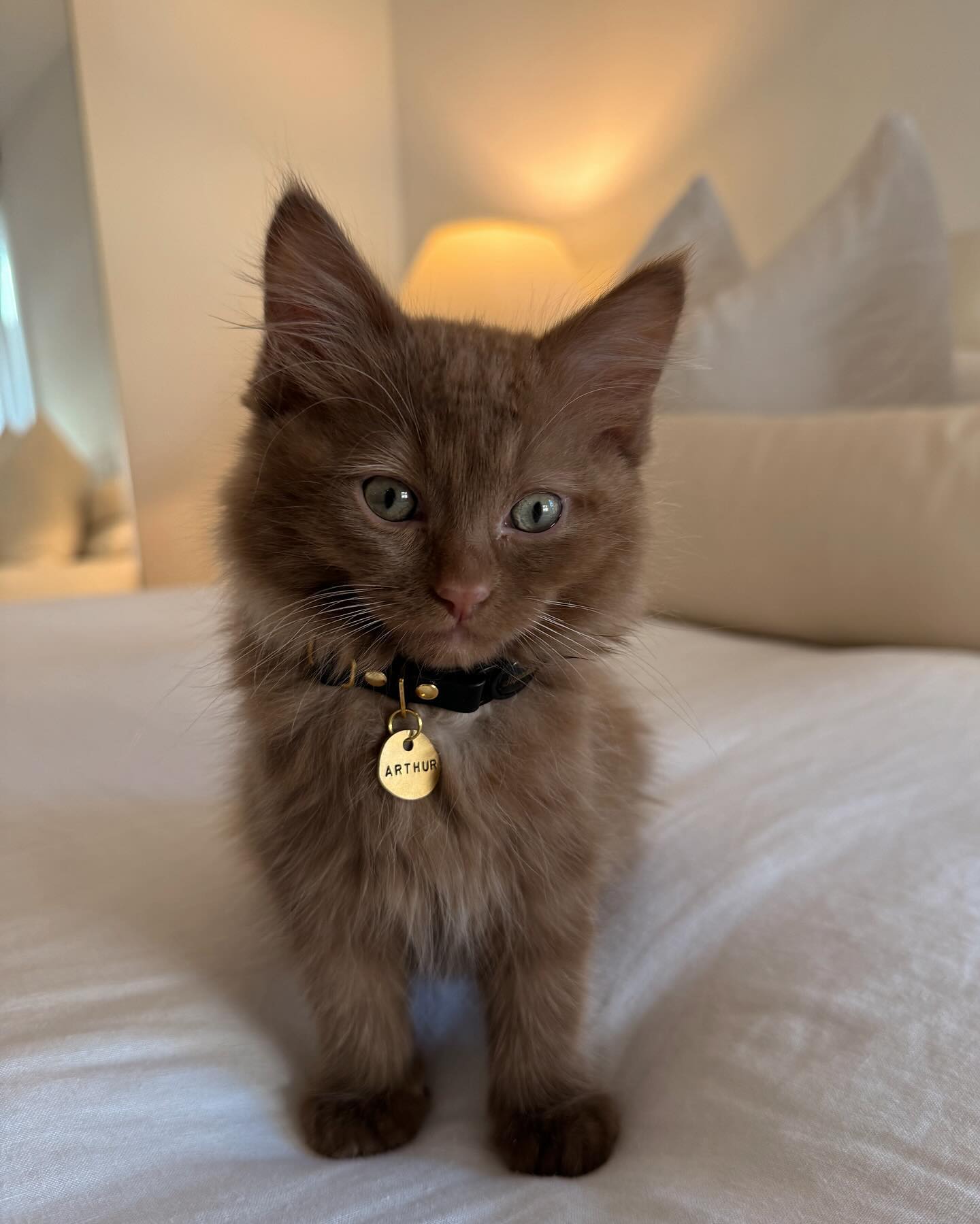
Litter Box Training Your Kitten
Cats are naturally clean animals with strong instincts to bury their waste — which makes litter box training far easier than housetraining a dog. With the right setup and a few simple habits, most Persian, Maine Coon, Ragdoll, and Bengal kittens take to the litter box within days of arriving home. This guide explains the principles that make it simple and reliable for any breed.
Understand the Natural Instinct
Cats are instinctively drawn to loose substrate they can dig and bury in. Your kitten arrives from us already litter-trained — all you need to do is provide a clean, accessible box and let that instinct do the work. The number-one reason kittens miss the box is not behavioral; it is almost always a cleanliness, location, or litter-type issue.
Choose the Right Box and Litter
For young kittens, choose a box with low sides so they can climb in and out easily. As they grow, upgrade to a larger box — the rule of thumb is at least one-and-a-half times the length of the cat. An unscented, clumping clay or fine-grained litter is what most Persians and Exotics prefer. Heavily perfumed litters are frequently rejected.
We use an unscented, clumping litter here at the cattery. To ease the transition, use the same type in your home for the first few weeks before experimenting with alternatives.
Location Is Everything
Place the litter box in a quiet, low-traffic area where your kitten feels safe. Avoid placing it next to the food and water bowls — cats dislike eliminating near their eating area. If your home has multiple floors, put a box on each level during the first weeks so your kitten is never too far from one.
A good rule: one litter box per cat, plus one extra. For a single kitten, that means two boxes. This prevents territorial issues if you add another cat later and gives your kitten a backup option.
Keep It Immaculately Clean
All cats are fastidious — especially longhair breeds like Persians and Maine Coons whose coats can pick up stray litter. A dirty box is the most common reason any kitten goes elsewhere. Scoop at least once a day — twice is better. Do a full litter change and wash the box with mild soap weekly. Never use bleach or strongly scented cleaners; the residual smell is a deterrent to cats of any breed.
Introduce Your Kitten to the Box First
When your kitten first arrives home, carry them directly to the litter box before exploring the rest of the house. Let them sniff it and step inside. Show them again after meals, after naps, and after play sessions — these are the natural moments a kitten needs to go. Most kittens use the box on their own within the first few hours.
If Accidents Happen, Look for the Cause
An accident outside the box is almost always a signal — the box needs cleaning, the location is wrong, or there is a medical issue such as a urinary tract infection. Clean the spot thoroughly with an enzymatic cleaner designed for pet accidents to eliminate the scent completely. Standard household cleaners leave odor molecules that attract a kitten back to the same spot.
Never scold a kitten for an accident. It teaches nothing useful and erodes the trust you are working to build during these first important weeks.
Covered Boxes: Proceed With Caution
Covered litter boxes look tidy, but many cats dislike enclosed spaces when eliminating — this is especially common in flat-faced Persians and Exotics, and in larger breeds like Maine Coons who may find covered boxes too cramped as adults. If you want to use a covered box, watch your kitten closely to confirm they are using it willingly. A rejected covered box is better replaced with an open one than converted into a behavioral problem.
Maintain Consistency
Keep the box in the same spot, use the same litter type, and scoop on the same schedule. Cats are creatures of habit. When everything is consistent and clean, litter box training stays a non-issue for the lifetime of your cat.
Breed-Specific Litter Box Tips
Persian: Longhair Persians can occasionally track litter in their coat, and fecal matter may cling to the fur around the hindquarters. Check this area daily and trim or gently clean as needed. A "sanitary trim" around the rear is one of the most practical grooming steps for Persian owners.
Maine Coon & Ragdoll: Large breeds need a larger box as they grow — at least one-and-a-half times the adult cat's length. Plan to upgrade box size as your kitten matures.
Bengal: Bengals are naturally clean and typically take to litter boxes with ease. Because they are active and curious, make sure the litter box location allows them to get in and out without feeling cornered.