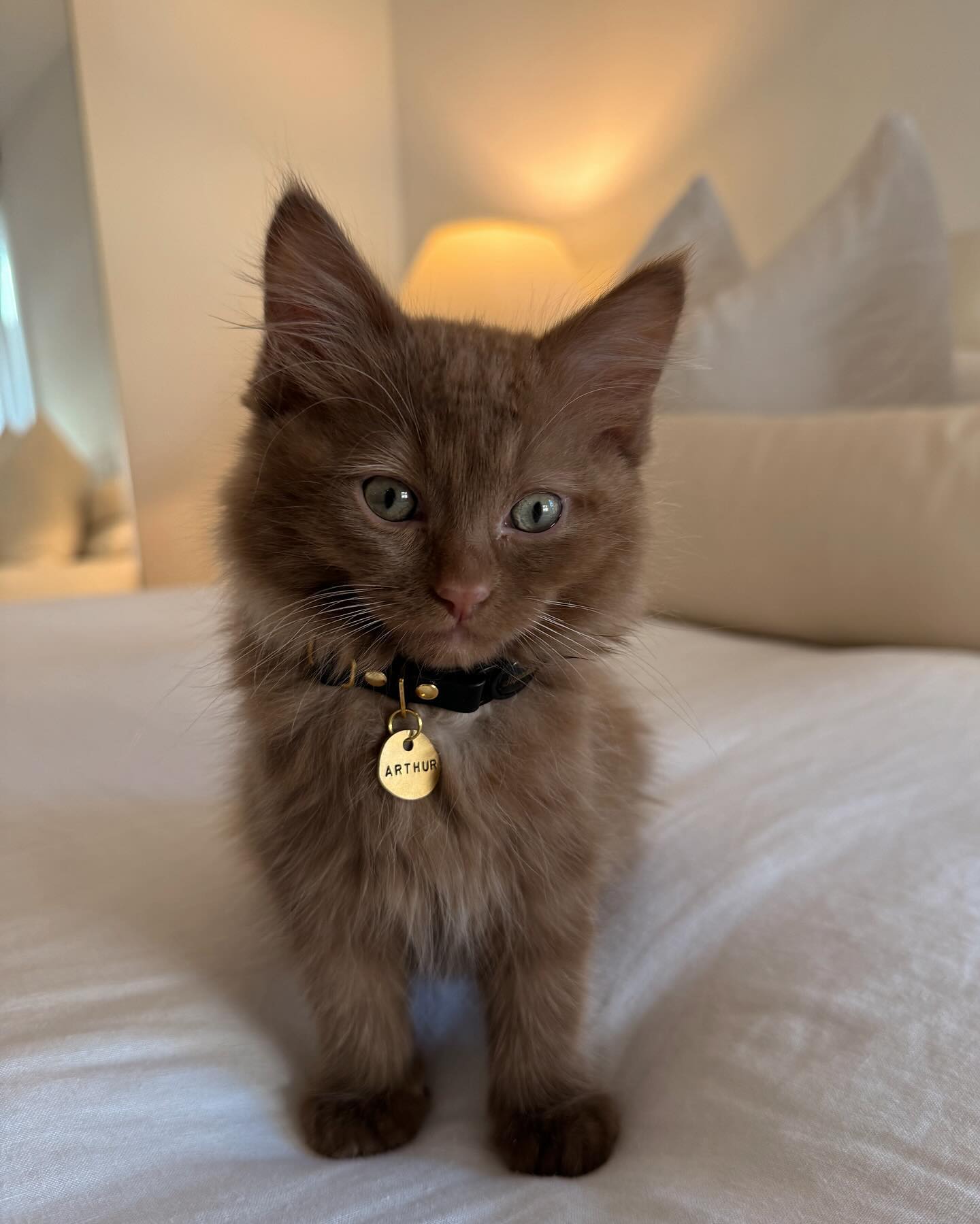
Nail Trimming & Claw Care for Your Kitten
Regular claw care is one of the most important — and most overlooked — aspects of caring for any kitten, whether you have a Persian, Maine Coon, Ragdoll, or Bengal. Overgrown claws catch in carpet and fabric, can curl back into the paw pad, and make handling uncomfortable for both kitten and owner. Starting early makes a lifetime of trimming easy.
Why Claw Length Matters
All indoor cats — Persians, Persians, Maine Coons, Ragdolls, and Bengals alike — do not wear down their claws naturally the way outdoor cats do. Without regular trimming, the claws grow long and curved, making it easy for them to snag on upholstery, blankets, or even your skin during play. In severe cases, an untrimmed claw can curl completely around and grow into the paw pad, causing significant pain and requiring veterinary care.
Routine trimming every two to three weeks prevents all of these problems. It also makes your kitten more comfortable to hold and reduces scratching damage around the home — without the need to declaw, which is a practice we strongly discourage.
How to Know Claws Are Too Long
If you hear your kitten's claws clicking on hard floors as they walk, they are due for a trim. You can also gently extend a claw by pressing lightly on the top of the toe pad — if the tip curves noticeably downward or is sharp enough to snag fabric easily, it is time to trim.
Getting Started
For very young kittens, small human nail clippers work perfectly — kitten claws are thin and soft at this age. As your kitten grows, switch to small pet nail clippers or a pet nail grinder. Both work well; choose whichever your kitten tolerates more calmly.
The most important step is not the trimming itself — it is building a calm association with paw handling before you ever open the clippers. Handle your kitten's paws daily from the very first day home, and the actual trimming sessions will be almost effortless.
Step-by-Step Guide
Handle Paws Daily
From day one, gently hold each paw, press softly on each toe pad to extend the claw, and release. Do this during calm cuddle time, not during play. Make it part of your daily routine so your kitten sees it as completely normal.
Build Positive Associations
Let your kitten sniff and investigate the clippers before you use them. Pair paw handling with a treat or a gentle chin scratch. The goal is a kitten who relaxes at the sight of the clippers rather than tensing up.
Go One or Two Claws at a Time
There is no rule that requires trimming all claws in one sitting. If your kitten is relaxed, do two or three claws, offer praise, and stop. A calm partial session beats a stressful full one every time.
Find the Quick
Cat claws are translucent — hold the extended claw up to the light and you will see a pink triangular shadow inside. That is the quick (blood vessel and nerve). Trim only the clear, curved tip, well below the pink area.
If You Nick the Quick
Stay calm. Your kitten will take emotional cues from you. Apply a tiny amount of styptic powder or cornstarch to the nail tip and hold gentle pressure for a few seconds. The bleeding stops quickly. Offer reassurance and treats, then finish another day.
Trim Every 2–3 Weeks
Most indoor cats need trimming every two to three weeks regardless of breed. Persian, Maine Coon, Ragdoll, and Bengal kittens all live on soft indoor surfaces and won't naturally wear their claws down. Regular trimming is a permanent, lifelong routine — start as early as possible for the easiest experience.
Pro Tips for All Kittens For Home Breeds
- Trim after a nap or play session when your kitten is naturally calm and tired — this works for every breed
- Keep treats within reach before you begin — reward immediately after each claw
- Work in good light so you can clearly see the quick through the translucent claw
- Provide a sturdy scratching post — it helps maintain claw condition between trims for all breeds
- Bengals are often very paw-sensitive; daily paw handling from day one makes trimming much smoother
- Ask your vet or groomer to walk you through proper technique at your kitten's first visit