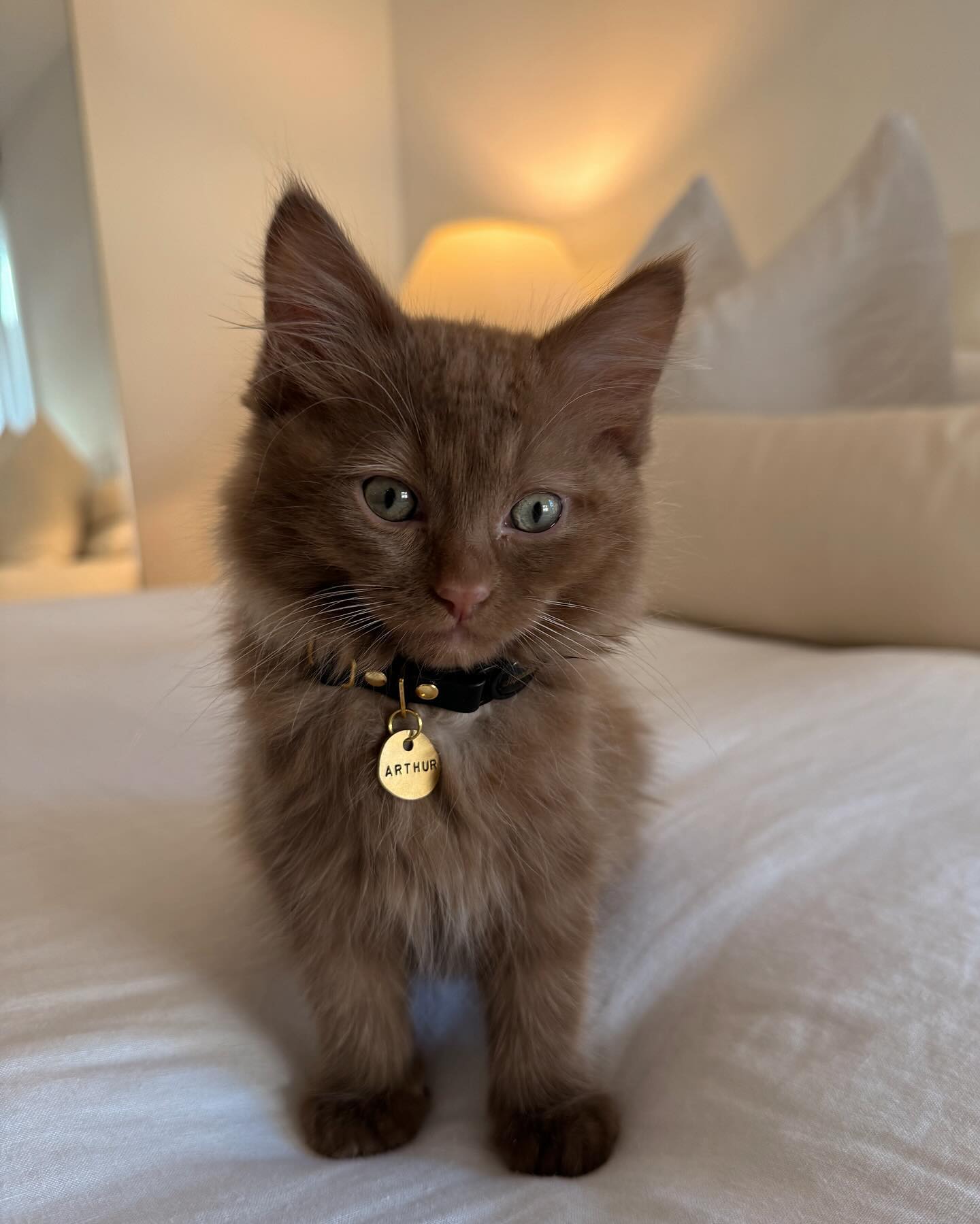
Four Essential Lessons Every Kitten Needs
These four foundational habits set any kitten up for a lifetime of confidence and easy care — whether you have a Persian, Maine Coon, Ragdoll, or Bengal. Start early, practice gently and consistently, and you will build a trusting relationship that makes every interaction — from grooming to vet visits — calm and pleasant for both of you.
Reliable Litter Box Habits
Your kitten arrives already using the litter box, but it is your job to maintain conditions that keep those habits rock-solid. That means a clean, accessible box in a quiet location, scooped at least once daily, with the same unscented litter we use here at the cattery for the first few weeks.
If your kitten ever eliminates outside the box, do not scold — instead look for the cause. A dirty box, a sudden change of litter, or a box placed too close to food are the most common culprits. Clean up accidents thoroughly with an enzymatic cleaner and reset the conditions so the box is the obvious, attractive choice.
Redirect to the Scratching Post
Scratching is a natural, necessary behavior for all cats — it stretches the spine, conditions the claws, and marks territory. Your job is not to stop the scratching but to direct it to the right surface. Introduce a sturdy scratching post on your kitten's first day home, placed near where they like to rest.
The moment you see your kitten approaching furniture with scratching intent, calmly pick them up and carry them to the post. Gently run their paws down the surface once or twice. Repeat every time you see scratching in the wrong place. Your kitten will learn quickly which surface is meant for claws.
Reward your kitten with gentle praise or a treat the first few times they use the post independently. Positive reinforcement speeds this lesson dramatically.
Accept Gentle Handling
A Persian kitten who accepts being handled all over their body is a joy to care for. Begin from day one: gently touch paws, extend claws one at a time, open the mouth briefly, clean around the eyes, and run your hands along the coat. The goal is a cat who remains calm and relaxed when any part of their body is examined or groomed.
Work in short sessions during calm, quiet moments — never during excited play. If your kitten wriggles, hold gently but firmly until they still themselves, then immediately praise and reward that calm moment. Release before they escalate to struggling, so every handling session ends positively.
Socialization & Gentle Play
All four of our breeds benefit from early socialization, though their energy levels differ. Expose your kitten to different household sounds, different rooms, and different people during their first weeks home. A kitten who has met visitors, heard the vacuum cleaner, and explored the whole house will be a confident adult.
During play, use wand toys, feather teasers, and puzzle feeders rather than your hands. Never allow your kitten to bite or scratch at bare hands, even gently — a habit that is charming in a tiny kitten becomes painful in an adult cat. This is especially important with active Bengals. Redirect immediately to an appropriate toy every time.
Persians and Ragdolls tend toward calm, lap-cat companionship. Maine Coons are sociable and dog-like, following you through the house. Bengals need interactive play and climbing enrichment every day. Whichever breed you have, they all thrive on consistent, loving indoor care.
Key Takeaway
These four lessons work together for every breed we raise. A kitten who uses the litter box reliably, scratches in the right places, accepts handling calmly, and plays appropriately is a pleasure to live with for their entire life. The earlier you begin, the easier they are to establish — but gentle consistency at any age produces results. The single most important factor is repetition: practice these habits the same way, every day, and your kitten — Persian, Maine Coon, Ragdoll, or Bengal — will meet every expectation beautifully.